Deadbolt locks: types, grades and installation tips
A deadbolt is the main lock on most front doors. Here is how to pick and fit one properly.
You don't know who else has a key to your new home. Rekeying fixes that quickly and for less than new locks.
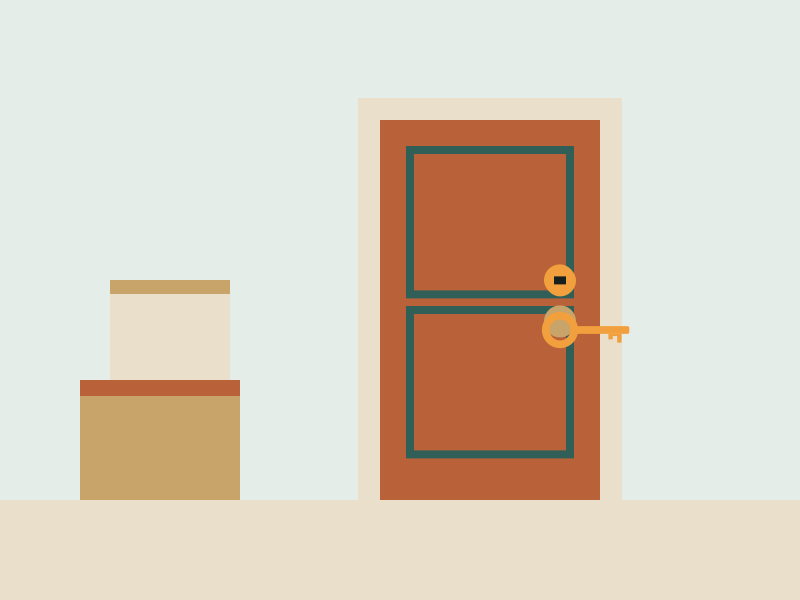
When you get the keys to a new home, you also inherit every copy the previous occupants made. Former owners, tenants, neighbours who fed the cat, cleaners, contractors and agents may all have had one. Rekeying is the simplest way to make sure the only working keys are the ones in your hand.
Inside a pin-tumbler lock are small pins that line up when the right key is inserted. Rekeying replaces those pins with a new set, so the lock now matches a new key and the old ones stop working. The lock body, handle and finish stay the same.
If you rent, check your lease before changing anything. Many landlords will rekey between tenants on request, and others will allow you to arrange it if you give them a copy of the new key. Get permission in writing.
Contractors often need access for weeks. When the work is done, a rekey closes that chapter without anyone having to collect keys.
Rekey when the locks are in good working order and you just want new keys. Replace when the hardware is worn, damaged or basic, or when you want an upgrade such as a high-security deadbolt or a smart lock. Our residential locksmiths can look at your doors and recommend the right option.
Each lock takes a short time once we are on site; the total depends on how many doors you have.
Most pin-tumbler locks can. Some very old or damaged locks are better replaced.
Call now to check availability and get a price before any work begins.
A deadbolt is the main lock on most front doors. Here is how to pick and fit one properly.
Start with your property manager, then call a locksmith. Here is a step-by-step guide.
From master key systems to mailbox locks, here are ten jobs a locksmith can help with.